Window Woes: A Guide to Fixing Windows That Won’t Stay Up
Ready to get Your New Windows?
Window World offers free in-home consultations! Click below to schedule today!
Get started!
When you open a window for a little fresh air, the last thing you want is for it to fall closed right after. Unfortunately, even great-looking single or double-hung windows can collapse without warning or just refuse to stay up, especially if they’re a few years old.
If you’re not afraid of some DIY home repairs and want to know how to fix a window that won’t stay up, you’ve come to the right place. Read on for a step-by-step process that should help you tighten up any rickety window in your home!
Key Takeaways
-
A window that won’t stay up is often caused by a broken pivot bar, damaged balance shoe, or worn-out window balances.
-
Both single-hung and double-hung windows can develop balance issues that cause the window sash to slide down or fall shut unexpectedly.
-
Fixing a window that won’t stay open may be as simple as resetting the balance shoe, realigning the sash, or replacing a damaged component.
-
Many window repairs can be completed at home with basic tools, but more complicated balance issues may require professional assistance.
-
If your windows are older, frequently need repairs, or no longer operate properly, replacing them with modern, energy-efficient windows may be a better long-term solution.
Reasons why a window might not stay up
Double-hung windows or single-hung windows might not stay up for a few different reasons. It’s important to know the mechanics of these windows – and their possible failure points – so you can repair them as easily as possible. The most common reasons for windows falling after you open them include:
- The pivot bar isn’t working. The pivot bar is a simple component that connects the balances of the window sash, holding it in place when it’s open. If the pivot bar is bent or snapped, there’s your problem!
- The shoe in the window frame needs fixing. Window shoes are metal or plastic blocks found inside a window frame. If your window’s shoe is crushed or cracked, the pivot bar can’t grip anything and hold the window in its proper place. If the shoe is out of place, it needs to be moved and realigned.
- The balances are broken. Balances are found in three types: spiral, block and tackle, and constant force. All of these should be held in place with a screw or two. If they're broken, the window sash may not be aligned properly, so it could fall when you try to open it.
Odds are good that any given window in your home isn’t staying up because of a problem with one (or more) of these pieces. If you replace the broken piece, you should have a functional window in no time.
How to fix a dropping window: step-by-step
Let’s dig into the details and take a look at how you can fix a dropping double-hung window step-by-step! Even though the video tutorial found on the page linked above uses a double-hung window as an example, the same process can be used for fixing a single-hung window that won't stay open.
Step 1: Remove the sash
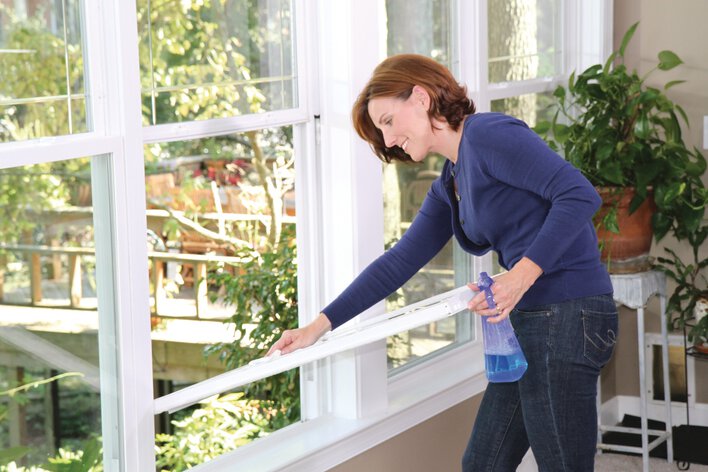
First, you need to remove the window sash. A “sash” is the section of a window that holds the glass panes in place. Both single-hung and double-hung windows have two sashes. The difference is that single-hung windows have a fixed upper sash and a movable lower sash, while double-hung windows have two movable sashes that slide up and down, allowing ventilation from the top or bottom.
In most instances where a window won’t stay up, the lower sash is the broken one. But regardless of which sash needs to be looked at, use a screwdriver to take off the stops inside your window frame, then pull the sash toward you to remove it from the slot. Remember to move any window chains or cords so they don’t get tangled up!
Step 2: Check the pivot bar
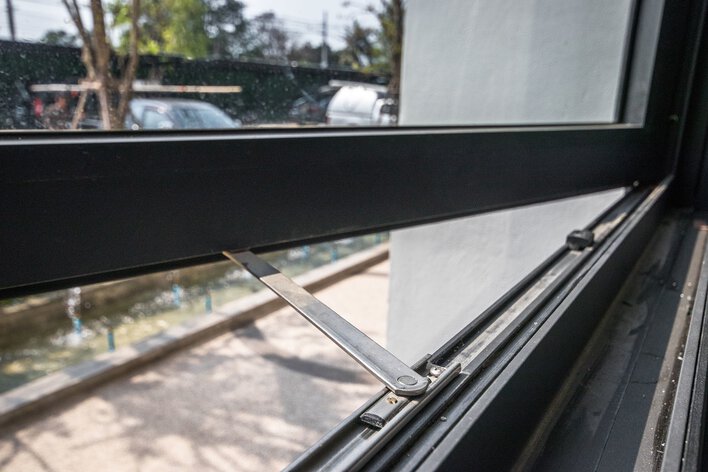
Once you remove one or both sashes from your window, look at their bottom corners. There, you’ll find the pivot bar.
As we mentioned earlier, if the pivot bar is bent or snapped, you need to remove and replace the pivot bar with a new piece. On the bright side, if that's all that's wrong with your window, congratulations! Now you've fixed it, and it should stay up properly.
If the pivot bar looks fine, move on to the next step.
Step 3: Check the balances
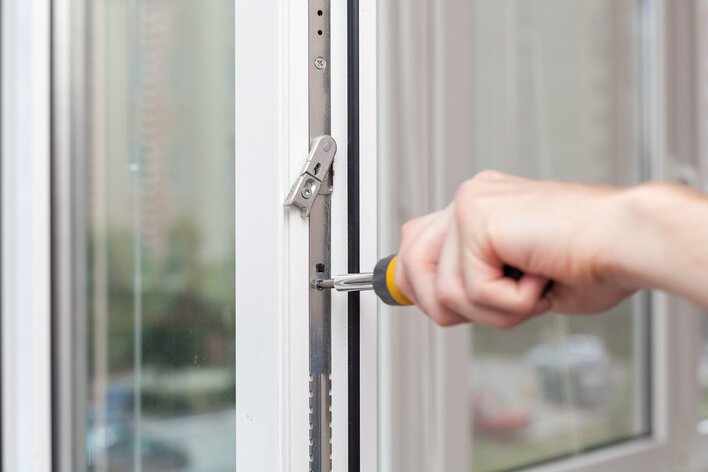
Your windows’ balances could be a little hidden. They are normally found right inside the window frame. Take a look at these small metal pieces or rods and check them for wear and tear or signs of failure. If they’re broken, you’ll need to replace the balances with identical pieces – you can oftentimes find them at home improvement stores.
Before attempting to remove or replace window balances, check your window manufacturer's instructions. Some balance systems contain springs under tension and require specific tools or procedures for safe removal. If you're unsure which type of balance your window uses or how to replace it safely, contact a window professional.
To replace a broken window balance:
- Remove any plastic stops that might stop the window sash from going too high. That might be the only way to lift the sash high enough to find the balances.
- Use a screwdriver to remove any securing screws. Then, push or pull the balances off with your fingers or a pair of pliers. Be especially careful if your window has spring balances, as these can break or pop out unexpectedly.
- Replace the old balances with new ones, again using your fingers or a pair of pliers, and re-screw them into place.
- Then just replace the stops and window sash in reverse order.
If it’s not the pivot bar or the balances, the problem could be with the balance shoe. Read the next steps to figure out how to fix that particular piece.
Step 4: Find the balance shoe and tilt pins
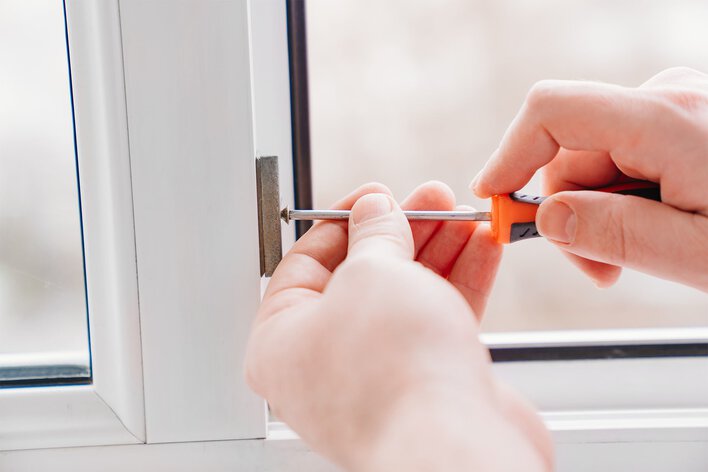
Locate the balance shoe for your window. For a double-hung window that won’t stay up, the balance shoe can often be found at the bottom of the frame.
Look for the pivot bars or tilt pins at the bottom corners of the window sash. These small metal components fit into the balance shoes inside the window frame, helping connect the sash to the balance system.
Step 5: Unlock balance shoes and reset pins
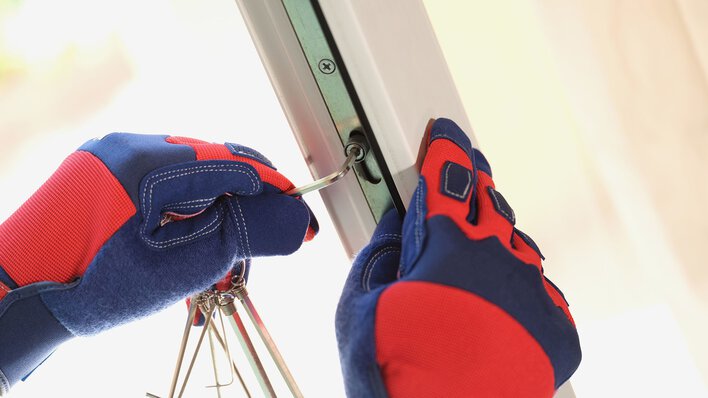
When a tilt pin is in a “U” shape, the shoe is “locked.” To fix it, you’ll need to unlock it. You can do that with a flat head screwdriver; just put the screwdriver into the tilt pin at a vertical angle, then turn it 45° to force it into an unlocked position. At this point, it should look like a “C” instead of a “U”.
Depending on your window model, you may be able to unlock and reposition the balance shoes using a flathead screwdriver. Carefully follow your window manufacturer's instructions, as locking mechanisms and adjustment methods vary. Once the balance shoes are properly aligned, secure them in place before reinstalling the sash.
Step 6: Adjust the lower sash
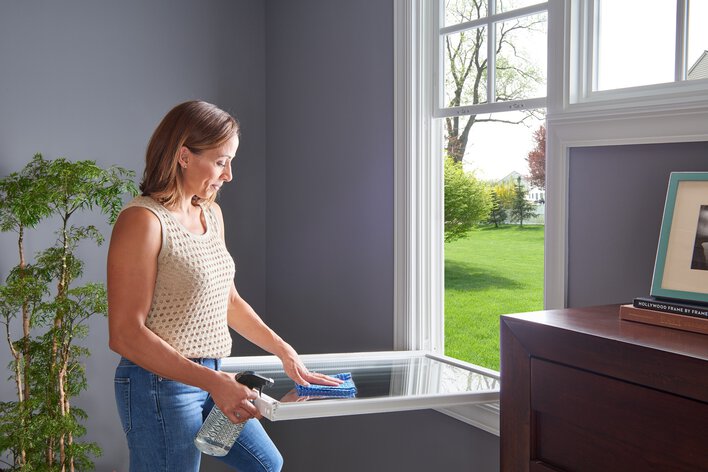
Now that your balance shoe has been reset, tilt the lower sash outward and realign the bottom of the window with the shoe. Depending on your window model, you might need to remove the tilt latches located at the top side of the sash.
Push the window sash into place until you hear it "pop" slightly. That means the balance shoe and tilt pins have successfully re-engaged.
Step 7: Test your window
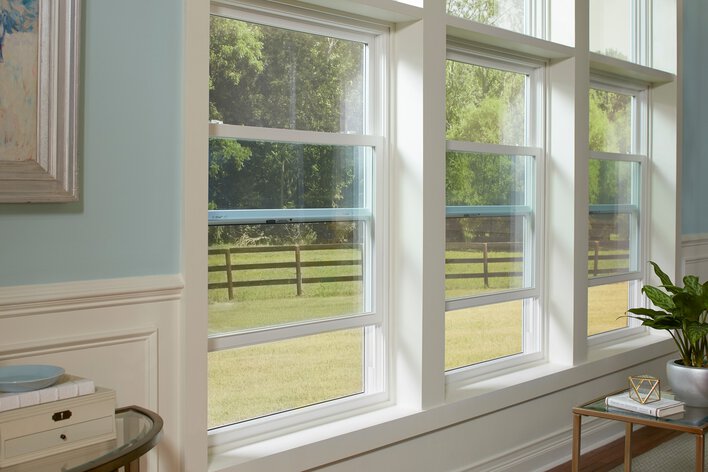
All that’s left is to give your window a test drive. Snap the lower sash fully into place, make sure the tilt latches are hooked into the frame, and then lift the window sash up and down. If you can remove your hands and the sash stays in place, it’s fixed!
Replacing old windows that won’t stay up
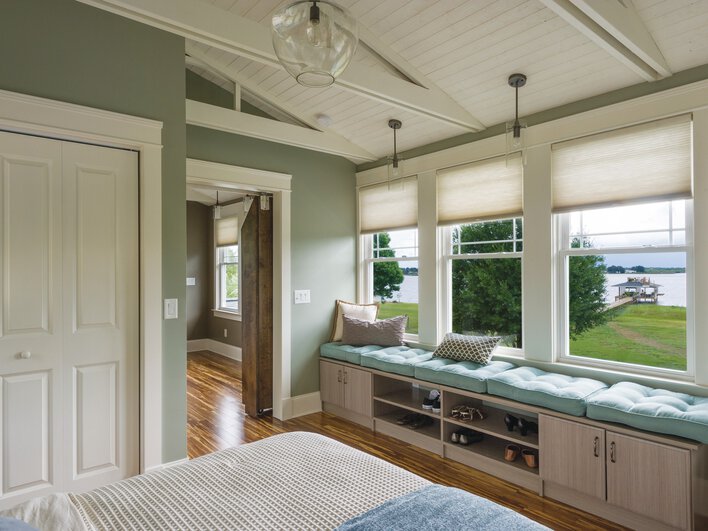
Sometimes, old windows just won’t stay up, no matter how much troubleshooting you try. In those cases, it’s often smarter to replace those subpar windows with new ones. Energy-efficient modern windows offer lots of benefits, like sleek style, extra home value, and better home insulation.
That’s where Window World can help. Our knowledgeable professionals can help you find the perfect replacement windows for your property and take care of the installation from start to finish. Request a free quote today or visit your local showroom to learn more!
Frequently Asked Questions
-
A window that won’t stay up typically has a problem with its balance system, pivot bar, or balance shoe. These components work together to support the weight of the window sash and keep it in place when opened. If one becomes damaged, disconnected, or worn out, the window may slide down or fall shut.
-
Start by inspecting the pivot bars, window balances, and balance shoes for damage or misalignment. Depending on the issue, you may need to reset the balance shoes, reconnect the sash to the balance system, or replace a broken component. Once the repair is complete, carefully test the window to ensure it opens, closes, and stays in place.
-
Yes! Single-hung windows use a balance system to support their movable lower sash, similar to double-hung windows. Inspecting the pivot bars, balances, and balance shoes can help identify the problem. Replacing damaged hardware or reconnecting the sash to the balance system may restore proper operation.
-
Common signs of a broken window balance include a window that falls shut, feels unusually heavy when opening, sits unevenly in the frame, or is difficult to raise and lower. You may also notice damaged springs, disconnected hardware, or unusual noises when operating the window.
-
A window balance shoe is a small component located inside the window frame that connects the sash to the balance system. It helps support the sash and allows it to move smoothly when opening and closing. If the balance shoe becomes damaged or misaligned, the window may no longer stay open.
-
No. A window that falls shut unexpectedly can pose a safety risk, especially for children and pets. Keep the window closed until the issue is resolved, and avoid using makeshift objects to prop it open. If you are unsure how to repair the balance system safely, contact a window professional.
-
If your window is otherwise in good condition, replacing a damaged balance, pivot bar, or balance shoe may be all you need. However, if your windows are older, drafty, difficult to operate, or require frequent repairs, replacement may be the better investment. Modern replacement windows can improve energy efficiency, comfort, curb appeal, and ease of operation.